

Pain Isn’t Just About Damage: A Modern Approach to Chiropractic Care on the Northern Beaches
If you’re dealing with back pain, neck stiffness, or shoulder discomfort, it’s easy to assume something must be “out,” “misaligned,” or damaged.
That narrative is common — but modern pain science tells us something more nuanced.
Whether your symptoms started after a long day at work, a heavy gym session, or even a surf at your local Northern Beaches break, pain is rarely as simple as structure alone.
Pain Is a Personal Experience
The International Association for the Study of Pain (IASP) defines pain as:
“An unpleasant sensory and emotional experience associated with actual or potential tissue damage.”
There are two key words in that definition:
Sensory and emotional.
Pain is not just a signal from injured tissues. It is an experience created by your nervous system after it evaluates multiple inputs — physical, psychological and environmental.
Two people can have the same scan findings.
One has significant pain.
The other has none.
That’s because pain is subjective.
No one will ever experience pain in the exact same way you do.
Why Scans Don’t Always Match Symptoms
A 2015 systematic review published in the American Journal of Neuroradiology examined imaging findings in people without back pain.
The results were striking:
Disc degeneration is common in people with no symptoms
Disc bulges frequently appear in pain-free adults
Structural “abnormalities” often increase with age regardless of pain
This reinforces an important message:
Pain does not automatically equal damage.
Especially in active populations — whether that’s gym-goers, runners, busy parents, office workers, or occasional surfers — normal structural changes are common.
The Pain Gate Theory: Why Your Nervous System Matters
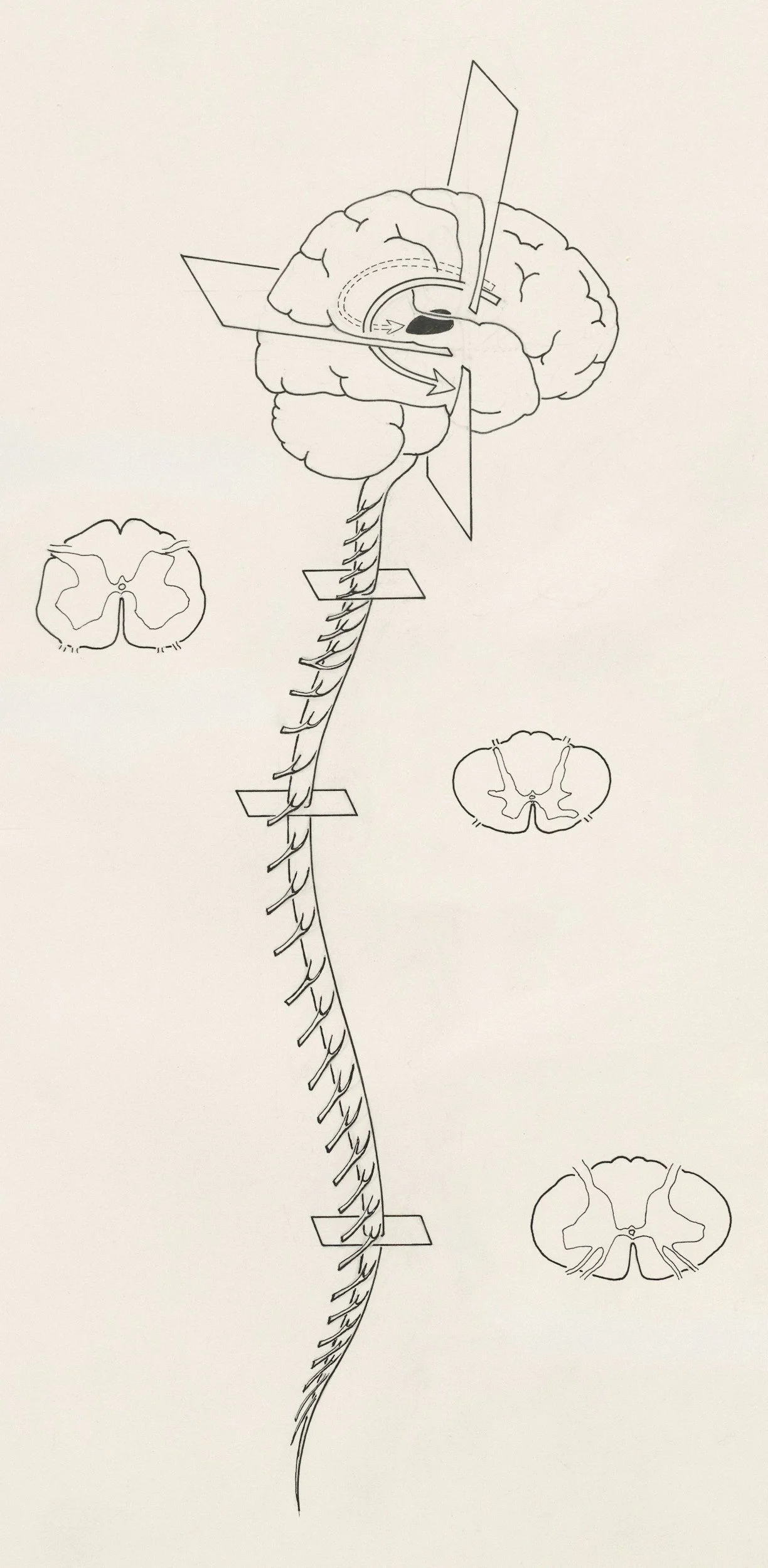
One of the most influential models in pain science is the Gate Control Theory of Pain.
In simple terms:
Your spinal cord has regulatory “gates” that control how much danger information reaches your brain.
These gates can:
Open → amplifying pain
Close → reducing pain
That’s why:
Rubbing a sore area can help
Gentle movement reduces stiffness
Stress can flare symptoms
Calm breathing or relaxation can decrease discomfort
Pain is not simply transmitted from the body to the brain.
It is modulated.
Your nervous system is constantly deciding:
“Is this safe?”
or
“Is this a threat?”
How Thoughts and Stress Influence Pain
Recent systematic reviews and meta-analyses show that psychological factors significantly influence pain intensity and recovery.
Research over the last decade demonstrates:
Pain-related fear is associated with higher pain intensity
Fear-avoidance behaviours increase risk of persistent pain
Catastrophising predicts greater disability
Pain neuroscience education improves outcomes in chronic low back pain
This doesn’t mean pain is “in your head.”
It means the brain and nervous system are involved in how pain is experienced.
For example, if you injure your back and think:
“My spine is damaged.”
“I shouldn’t move.”
“This will never improve.”
Your nervous system may increase protective sensitivity.
More protection often means:
Increased muscle guarding
Reduced movement
Ongoing pain sensitivity
How you respond to pain can influence how long it stays around.
Where Modern Chiropractic Care Fits
Chiropractic care has evolved significantly.
At Movement – Health & Wellness on the Northern Beaches, care is not based on the idea of simply “putting things back in place.”
Instead, modern evidence-informed chiropractic care aims to:
Provide calming sensory input to the nervous system
Reduce protective muscle guarding
Improve joint and tissue tolerance
Restore movement confidence
Support gradual return to activity
Manual therapy has been shown to influence pain through neurophysiological mechanisms — meaning it can change how your nervous system processes threat.
But hands-on treatment alone is rarely enough.
Long-term outcomes improve when care also includes:
Education about pain
Strength and mobility training
Load management
Lifestyle factors like sleep and stress
Progressive return to activity (whether that’s sport, work, or surfing)
Because pain is biopsychosocial — not purely structural.
Pain Is Part of Being Human
We naturally strive to be pain free.
But experiencing pain at some stage of life is normal.
Pain can reflect:
Increased training load
Reduced sleep
Emotional stress
Sudden changes in activity
Previous injury history
Pain becomes problematic when the nervous system remains on high alert long after tissues have adapted.
The goal isn’t to eliminate every sensation.
The goal is to build resilience.
You’re Not Fragile — You’re Adaptable
If you’re experiencing back pain, neck stiffness, or shoulder discomfort on the Northern Beaches:
It doesn’t automatically mean you’re damaged.
It doesn’t mean your spine is unstable.
It doesn’t mean you have to stop being active.
Pain is real.
Pain is personal.
Pain is influenced.
With the right approach, it can change.
If you’re looking for evidence-based chiropractic care on the Northern Beaches that combines hands-on treatment with movement and education, we’re here to help.
FAQ about pain
Is back pain always caused by damage?
No. Research shows many structural changes appear in people without pain. Pain is influenced by nervous system sensitivity and context.
Can chiropractic care help without cracking bones “back into place”?
Yes. Modern chiropractic care focuses on nervous system modulation, movement and resilience — not just structural alignment.
Why does my pain flare during stress?
Stress can increase nervous system sensitivity and amplify pain perception.
