

Sciatica: what it is, how long it lasts and what actually helps
By Jess Milsom, chiropractor · Movement Health & Wellness, CromerSciatica isn’t a diagnosis. It’s a description: pain that runs from your lower back or buttock down the leg, often past the knee. It can be sharp, burning or electric, and it’s often worse than the back pain itself.
The good news is that most cases get better. The less good news is that “most” covers a wide range of timelines. This post covers what’s going on, what you can do about it, and when you need to see someone quickly.

Quick answers
What is sciatica? Pain running down the leg caused by an irritated nerve root in the lower back. It’s most often caused by a disc bulge or herniation.
How long does it last? Many people improve a lot within weeks to a few months. Some take longer.
Do I need a scan? Usually not. Scans are recommended when there are signs of something serious, or when symptoms aren’t settling and surgery or an injection is being considered.
What helps? Staying as active as you can, a graded exercise plan, and hands-on care as part of that plan.
When is it urgent? Numbness around your groin or bottom, changes to bladder or bowel control, or leg weakness that’s getting worse. Go to an emergency department.
What is sciatica?
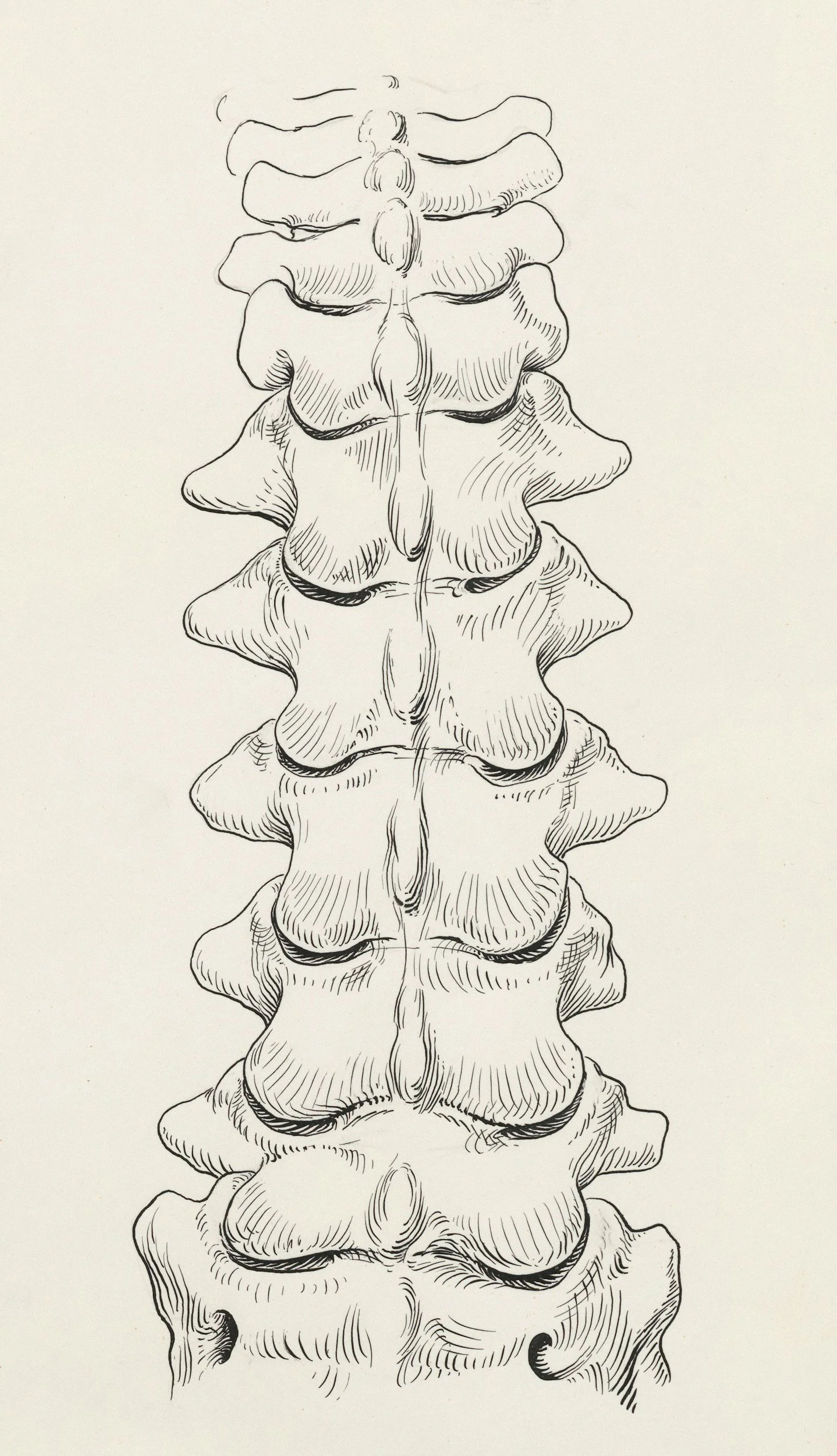
The sciatic nerve is formed from several nerve roots that leave your lower spine and join to run down the back of each leg. When one of those roots is irritated or compressed, you can get pain, pins and needles, numbness or weakness along the path it supplies. Clinicians call this radicular pain. Most people call it sciatica.
Not all leg pain that starts in the back is sciatica. Joints and muscles in the lower back and hip can also refer pain into the buttock and thigh. That’s usually duller, harder to pinpoint, and doesn’t go below the knee. Part of a good assessment is working out which one you’ve got, because they’re managed differently.
What causes it?
Disc herniation: the most common cause, especially under about 50. Part of the disc pushes out and irritates the nearby nerve root. This is both a chemical and a mechanical irritation, which is why it can hurt so much even when the bulge is small.
Lumbar spinal stenosis: narrowing of the spaces the nerves travel through, more common in older adults. It typically causes leg pain with walking that eases when you sit or bend forward.
Less common causes: spondylolisthesis (one vertebra slipping forward on another), and, rarely, infection, a fracture or a tumour. That’s why red flags matter.
“Piriformis syndrome” gets blamed a lot online. It exists, but it’s far less common than a back-related cause, so it’s worth ruling out the back first.
Do I need a scan?
Usually not, at least not straight away. Australia’s Low Back Pain Clinical Care Standard recommends saving imaging for when a serious cause is suspected, because routine scans don’t improve outcomes.
Scans also pick up a lot of “findings” in people with no pain at all: disc bulges, degeneration, arthritis. A scan becomes useful when symptoms are severe or not improving, when there are neurological changes, or when an injection or surgery is being considered.
Will it get better on its own?
Often, yes. A systematic review of lumbar disc herniations (Chiu et al., 2015) found they regressed on their own more often than most people expect, and the larger herniations regressed most often. Your body tends to reabsorb the disc material that has pushed out the furthest.
That doesn’t mean you should just wait it out. Pain, sleep, work and staying active all matter while it settles, and some people need more help than others.
What may help
Keep moving, within reason. Bed rest doesn’t help and can slow recovery. Aim for movement that doesn’t make the leg pain clearly worse. Short, frequent walks are often well tolerated.
Change things, don’t stop everything. Long periods of sitting, driving or bending tend to aggravate disc-related sciatica. Break them up: get out of the car, stand for part of a meeting, and split the gardening into shorter sessions.
Follow a graded exercise plan. Exercise is the backbone of sciatica management in the major guidelines. It isn’t one magic stretch. It’s a plan that starts with what you can tolerate and builds your capacity back up.
Add hands-on care to the plan. Guidelines such as the UK’s NICE guideline (NG59) support manual therapy, including spinal manipulation, mobilisation and soft tissue work, as part of a package that includes exercise rather than on its own. It may give some people short-term relief, which makes it easier to stay active.
Go easy on hard stretching. If the nerve is irritated, hard hamstring stretches or forcing your toes towards your face can make it angrier. Gentle nerve mobility exercises are different, but get them prescribed for you.
Medication: speak to your GP or pharmacist about what’s appropriate for you.
Surfing, gym and sciatica
Surfers often notice that paddling, with its prolonged arched-back position, either eases or aggravates their symptoms. It depends on the person. Pop-ups and duck-diving can be provocative early on. In the gym, heavy hinging and loaded spinal flexion are usually modified for a while rather than dropped completely. A return-to-sport plan helps you work out what’s reasonable and when.

When to get help
See a chiropractor, physio or your GP if:
your leg pain isn’t easing after a couple of weeks, or is getting worse
you have pins and needles, numbness or weakness in the leg or foot
the pain is stopping you sleeping, working or getting through the day
Go to an emergency department straight away if you have:
numbness or tingling around your groin, genitals or bottom (“saddle” area)
new trouble passing urine, loss of bladder or bowel control, or changes in sexual function
weakness in one or both legs that is getting worse, or a foot that drags or slaps
These can be signs of cauda equina syndrome, which needs urgent surgical assessment.
Also see your GP promptly if you have back or leg pain with fever, unexplained weight loss, a history of cancer, or after a significant fall or accident.
How we help with sciatica at Movement
We’re a chiropractic and physiotherapy clinic upstairs at Surfers Gym in Cromer, seeing people from Dee Why, Collaroy, Narrabeen, Wheeler Heights and across the Northern Beaches.
Your first session covers a thorough history and a neurological examination: reflexes, sensation and strength. That tells us whether this is sciatica, referred pain or something that needs a referral. We’ll explain what we find in plain English, give you a realistic timeframe, and build a plan that may include hands-on care, a graded exercise program and practical changes for work, sleep and sport. If you need a scan or a GP review, we’ll tell you and help arrange it.
Chiro or physio? Both can assess and manage sciatica, and the approach at Movement is the same either way. Timon, our physiotherapist and chiropractor, has a particular interest in persistent pain, so if your sciatica has hung around for months he’s a good fit. Otherwise, book whichever time suits you.
-
It varies. Many people improve substantially within weeks to a few months, especially when it’s caused by a disc herniation. Some people have symptoms for longer, and a structured plan can help them manage and rebuild.
-
A chiropractor can assess your sciatica, screen for red flags and provide a management plan, which may include hands-on care, exercise and advice on staying active. Guidelines support manual therapy as part of a package that includes exercise.
-
Yes. A physiotherapist can assess the cause of your leg pain, check nerve function and build a graded exercise and rehab plan, along with hands-on care where appropriate.
-
Either can assess and manage sciatica. Research doesn’t show one profession consistently getting better results than the other. The quality of the assessment and the plan matters more than the title.
-
For many people, yes. Short, frequent walks are often well tolerated and help you stay active. If walking clearly worsens your leg pain, get assessed, as this can point to a different cause such as spinal stenosis.
-
Usually not at first. Imaging is recommended when a serious cause is suspected, when there are significant or worsening neurological signs, or when symptoms aren’t improving and an injection or surgery is being considered.
-
Go to an emergency department straight away if you have numbness around your groin or bottom, new problems with bladder or bowel control, or leg weakness that is getting worse.
This article is general information and isn’t a substitute for an individual assessment. If you’re worried about your symptoms, see a registered health practitioner.
